
How it works
From first question
to offer letter.
Eight steps. Real questions. AI scoring. Flashcards from your gaps. A full mock interview. This is the preparation infrastructure that used to only exist if you knew the right people.
Build your profile
2 minutes to set upSet your job role, target level (Foundations to L7), interview stage, and target company. Every question, model answer, and scoring threshold is then calibrated to where you are and where you are going — not just topic and difficulty, but the structure, ownership, and trade-off depth panels expect at that level. IC4 at Cloudflare and NDE II at Amazon are different bars — you are scored against the right one from day one.
Pick a drill mode
3 formatsOne system, three training formats — Practice for self-paced drills, Simulate for live multi-turn pressure, Improve for review and planning. Start with Free Drill to warm up, run Mock Interview Studio for a full simulation, or use Routing Lab for topology-heavy problems. Your Learning Path shows the whole curriculum — what's unlocked, what's next, and what's fading — and within every drill, questions are ranked by what you haven't answered yet, each topic's current mastery, your target difficulty, and your interview stage — not served at random.
Answer with voice or text
Voice + textQuestions come with topology diagrams, scenario context, and the exact framing a live panel would use. Speak your answer — your transcript is captured — or type it out. Both modes score identically.
Get AI-scored in seconds
5-dimension scorecardAn AI model evaluates your answer across 5 dimensions: Technical Accuracy, Depth, Structure, Clarity, and Conciseness. You get a score, your gaps named precisely, and a model answer to compare against.
Flashcards built from your gaps
Auto-generated · not genericInstead of reviewing generic flashcards, you get cards generated specifically from what your answer missed. If you skipped ORIGINATOR_ID, that is what the card covers — not the entire BGP RFC.
Track mastery per topic
83 topicsYour scores roll up into a mastery map across 83 topics. See exactly where you are strong, where you are patchy, and which topics still have open questions in the bank. Every session sharpens the map, and concept prerequisites enforce the right order — applied questions don't surface until foundational ones are proven, so you are never dropped into a question that assumes knowledge you haven't built yet.
Run a full mock interview
Mock Interview StudioBetty, our AI interviewer, runs a structured multi-phase session matched to your target role and company. She probes your answers, follows up on gaps, and evaluates the whole session — not just one response.
Walk into the real interview ready
The outcomeBy the time you sit in front of a live panel, you have put in the reps. You have heard the hard follow-up questions before. You know where your gaps were and you have closed them. That is what lands the offer.
One system, three training formats
Practice. Simulate. Improve.
Practice
Answer, get scored, see exactly what to fix.
Free Drill
Questions ranked by mastery, interview stage, and what you haven't answered yet — across any topic or role.
Custom Question
Paste any question of your own — scored the same way as the question bank.
Routing Lab
Topology diagrams — BGP, OSPF, MPLS, and network design problems.

Behavioral Prep
STAR-structured questions scored on both delivery and technical content.
Design Bank
Architecture and system design questions for senior and staff roles.
Simulate
Live pressure, multi-turn, the closest thing to the real room.
Mock Interview Studio
Full multi-phase session with Betty, our AI interviewer.
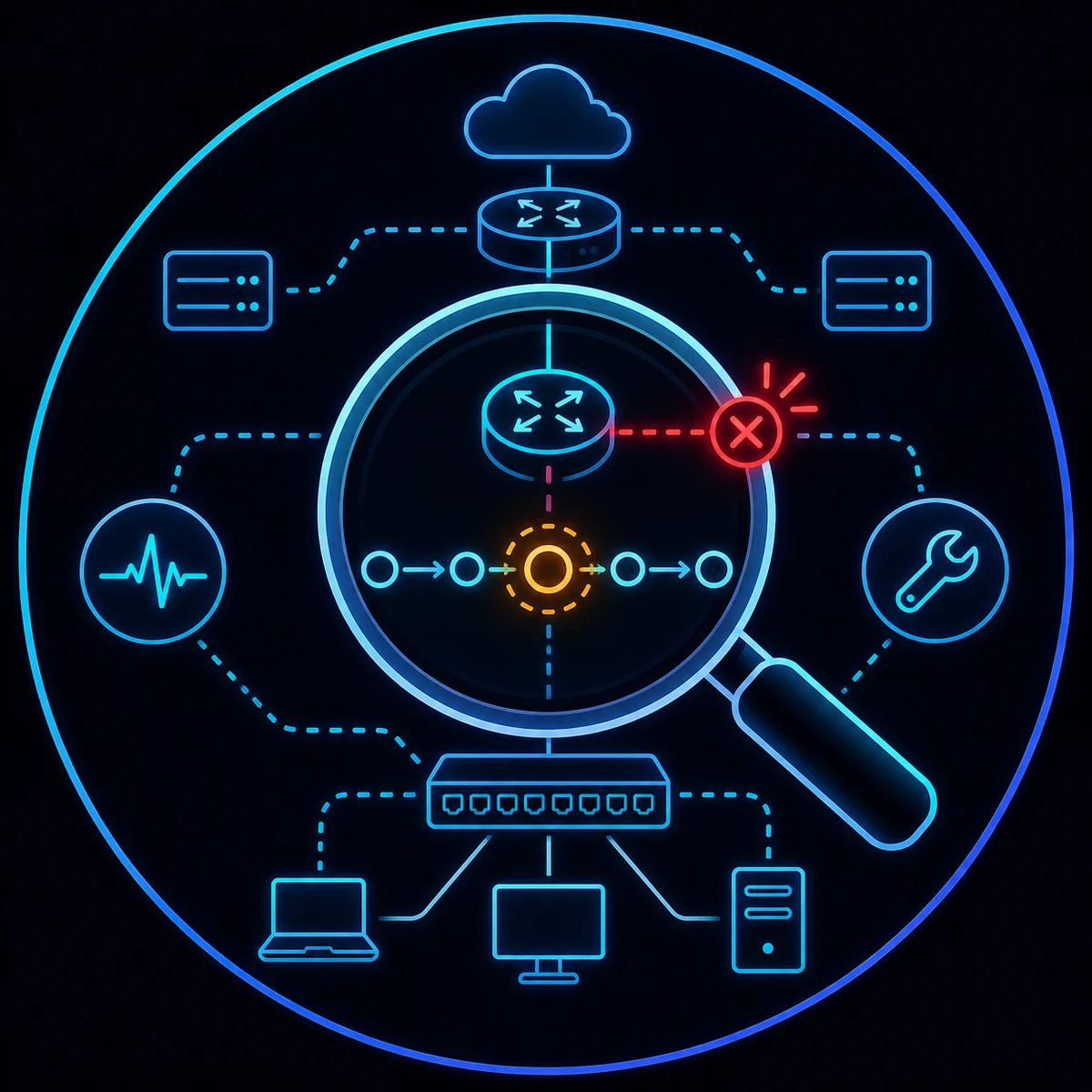
Troubleshoot Sim
Live network fault scenarios. Diagnose and recover step by step.
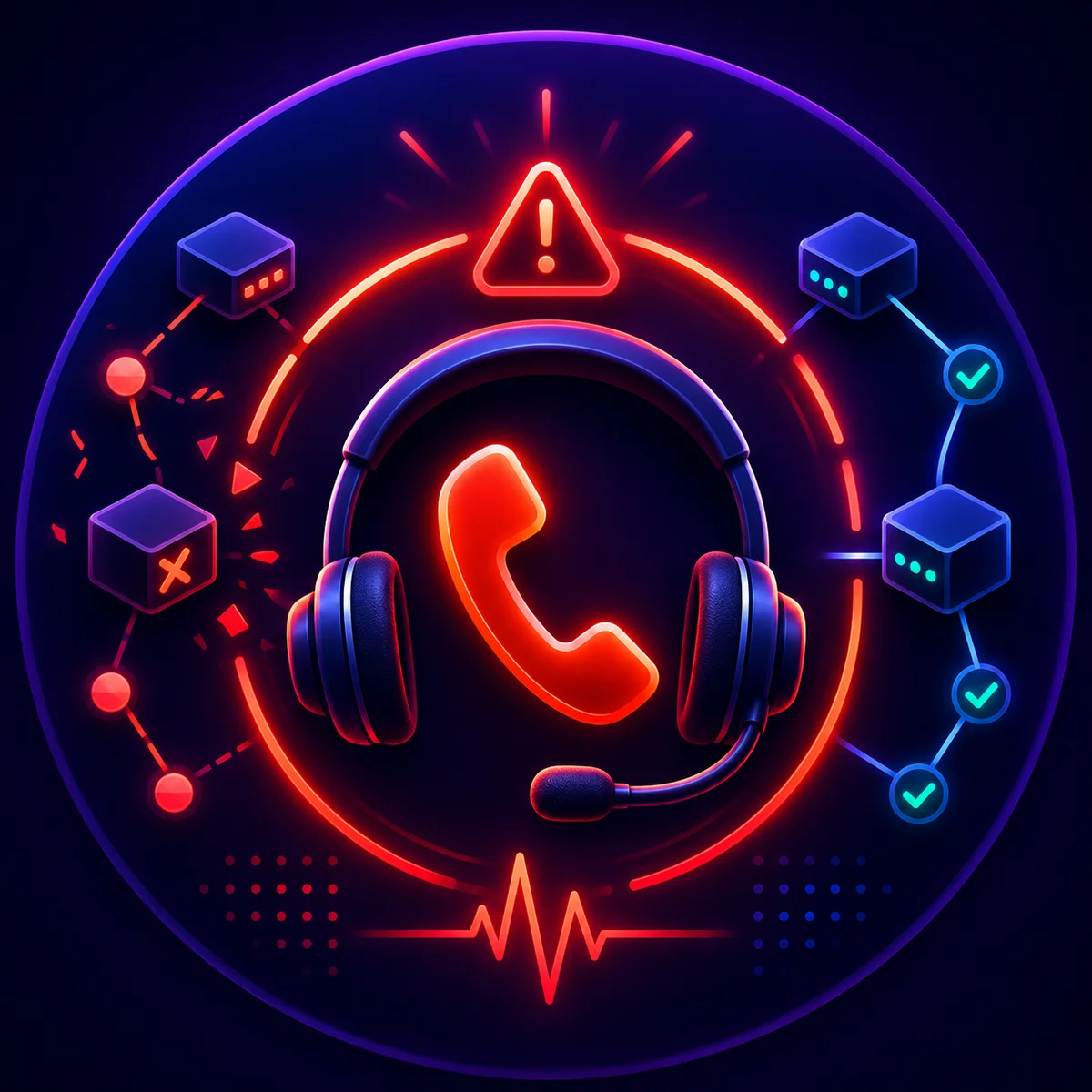
Incident Call Sim
Real-time incident bridge simulation with escalation pressure.
Human Mock
A real engineer runs your mock interview once Betty rounds are done.
Improve
Track mastery, close gaps, plan what's next.
Flashcard Review
Spaced-repetition cards generated from your actual gaps, not a generic deck.
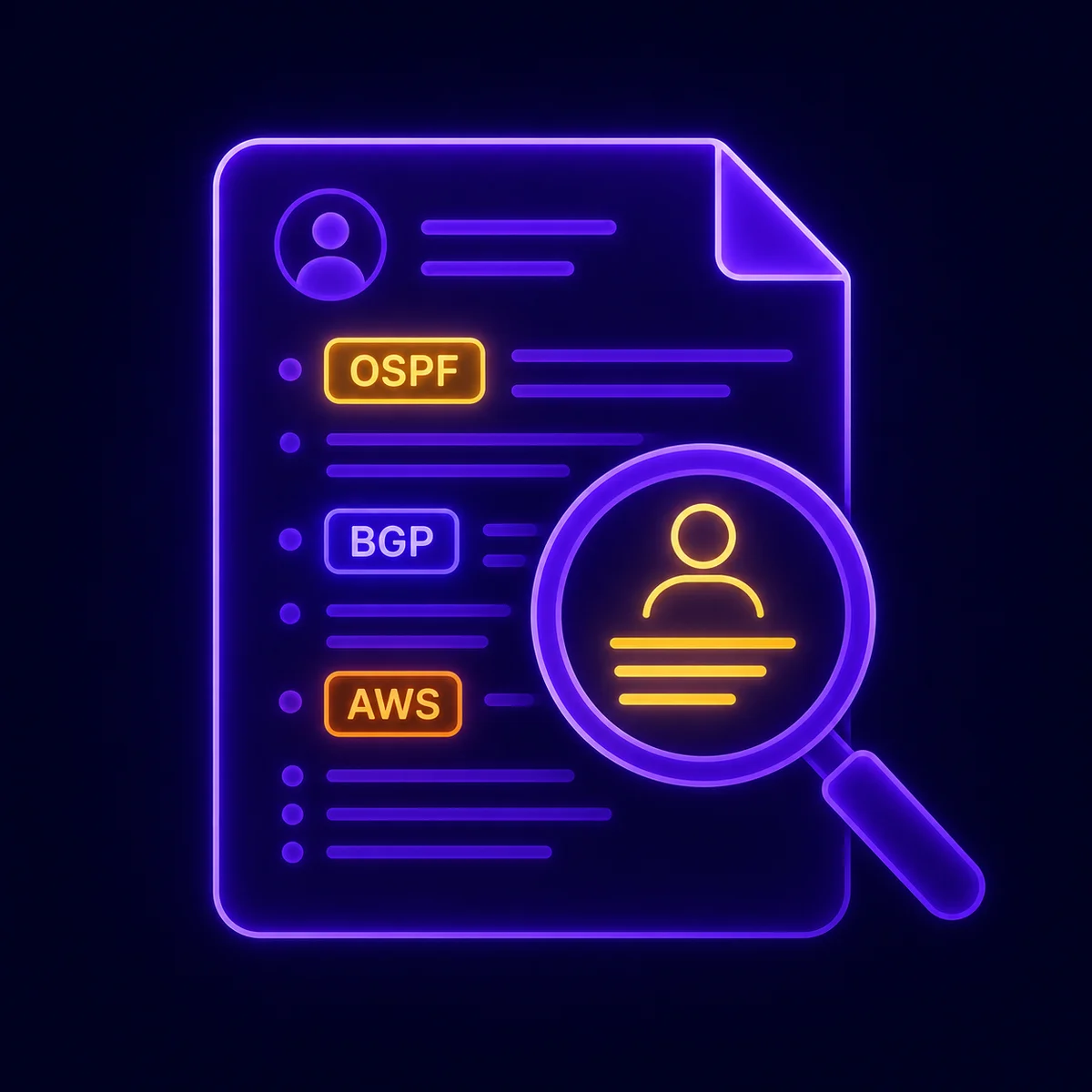
JD Planner
Paste a job description, get a tailored question set for that exact role.

Progress & Readiness
A mastery map across every topic, plus one readiness score combining breadth, quality, and consistency.
The scorecard
Five dimensions. Not just a number.
Most interview prep tools tell you whether your answer was right or wrong. My Next Hop tells you how it fell short and exactly what to fix. An AI model grades every submission across five independent dimensions — each with its own score, gap statement, and highest-leverage fix. Full mechanics, including how other formats like behavioral and system design score differently, are on the methodology page.
Every session also generates a model answer for comparison, a highest-leverage fix (the single change that would move your score most), and flashcards built from what you missed.
Voice answers are treated equally
Speaking your answer is not a shortcut — it is the harder mode. Your transcript goes through the same 5-dimension scoring pipeline as typed answers. Nine speech metrics — filler word count and rate per minute, pace, stutter count, hedging language, trailing endings, uncertainty phrases, repetitions, and a confidence signal score — are captured and surfaced separately, which is useful if you are working toward phone or video screens.

Betty is not a chatbot
Betty is the Mock Interview Studio interviewer. She runs a structured, multi-phase session — technical rounds, follow-up probing, and a close — matched to your target company and role level. She scores the full session, not individual answers, and generates a debrief that reads like real interviewer notes. The goal is that your first experience being probed in that way is not in the actual interview.
What we cover
The protocols that show up most in interviews.
Questions across 83 topics — network engineering, cloud networking, optical transport, AI infrastructure, network security, AI infrastructure security, and behavioral — generated fresh each session and calibrated to your level and target company. Practise the same material from different angles until the explanation is automatic.
Start today
The reps do not build themselves.
Create an account. Pick your level. Answer one question. That is how it starts.